
Use casesLearning

Turn explainers and carousels into lessons and quizzes

A good explainer already has a lesson in it. mamitsu watches the video or reads every slide and returns the main idea, the key points in order and quiz questions with the right answer and why, for your course platform or your own study notes.

youtube.com/watch?v=uBwkMc1llmM
mamitsu JSON
{
  "title": "The Engineering Marvel of Venice",
  "question": "Why did people originally settle in the Venetian lagoon?",
  "answer": "To escape Germanic invaders"
}

Ready for your app or your agent

InstagramTikTokYouTubeXClaude CodeCodexHermesPi

A video lesson and a carousel of slides

The TED-Ed video becomes a short lesson with a quiz. The Futura Lab carousel is a deck of research slides, and each idea on them turns into a flashcard.

Turn this video into a short lesson for a learning app: the main idea in one sentence, the key points in the order the video explains them, and five multiple-choice quiz questions with four options each, the correct answer and a one-line explanation. Every question must be answerable from the video.

{
"title": "The Engineering Marvel of Venice",
"main_idea": "Venice was built on a complex, resilient foundation of wooden piles driven into the mud of a lagoon, allowing it to thrive as a major maritime power despite its challenging environment.",
"key_points": [
"In the late 560s, people fled to the Venetian lagoon to escape Germanic invaders.",
"The lagoon's shifting, swampy environment made it a difficult place to build.",
…
],
"quiz": [
{
"question": "Why did people originally settle in the Venetian lagoon?",
"options": [
"To escape Germanic invaders",
"To establish a new trade route",
…
],
"answer": "To escape Germanic invaders",
"explanation": "The video states that people fled to the lagoon to escape the Germanic group known as the Lombards."
},
{
"question": "How did the wooden piles support the buildings in Venice?",
"options": [
"They were made of a special rot-resistant wood",
"They were driven into the ground to create an oxygen-free environment",
…
],
"answer": "They were driven into the ground to create an oxygen-free environment",
"explanation": "The piles created an oxygen-free environment that protected the wood from insects and fungi."
},
…
]
}
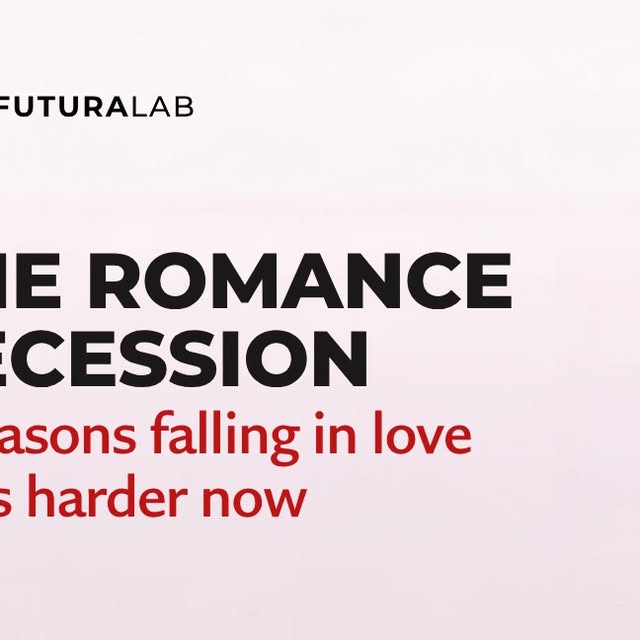
Posts on this page: The incredible engineering of Venice by TED-Ed, The Romance Recession carousel by @thefuturalab

Try it out yourself

API and MCP

What you can ask about an explainer

  • "Give the main idea in one sentence and the key points in the order the video explains them"
  • "Write five multiple-choice questions with four options, the answer and why"
  • "Make one flashcard per slide, with a question on the front and the answer on the back"
  • "Which terms does the video define, and how?"

From your code, with the API

Turn explainer videos and carousels into lessons, flashcards and quizzes in your learning product.

One API call to mamitsucurl
curl https://usemamitsu.com/api/v1/extract \
  -H "Authorization: Bearer ***" \
  -H "Content-Type: application/json" \
  -d '{
    "url": "https://www.youtube.com/watch?v=uBwkMc1llmM",
    "prompt": "Turn this video into a short lesson for a learning app: the main idea in one sentence, the key points in the order the video explains them, and five multiple-choice quiz questions with four options each, the correct answer and a one-line explanation. Every question must be answerable from the video."
  }'
Read the API reference

From your agent, with MCP

Ask your agent to quiz you on a video you watched, or to turn a carousel into flashcards.

Connect your agent to mamitsu

FAQ

Are the quiz questions based on the video?

Yes. mamitsu answers from what the video says and shows, and each explanation points back to it, as in the Venice example.

Does it work with Instagram carousels?

Yes. mamitsu reads every slide of a carousel along with the caption. The Romance Recession example has one flashcard per idea, in slide order.

How are long YouTube videos priced?

YouTube videos cost 1 credit per started minute for the first 5 minutes, then 1 credit per 5 minutes. A 10-minute lesson uses 6 credits, and the pricing page has more examples.

Try it on a post you have open in another tab